The Root Cause of Haitian Government Dependence.
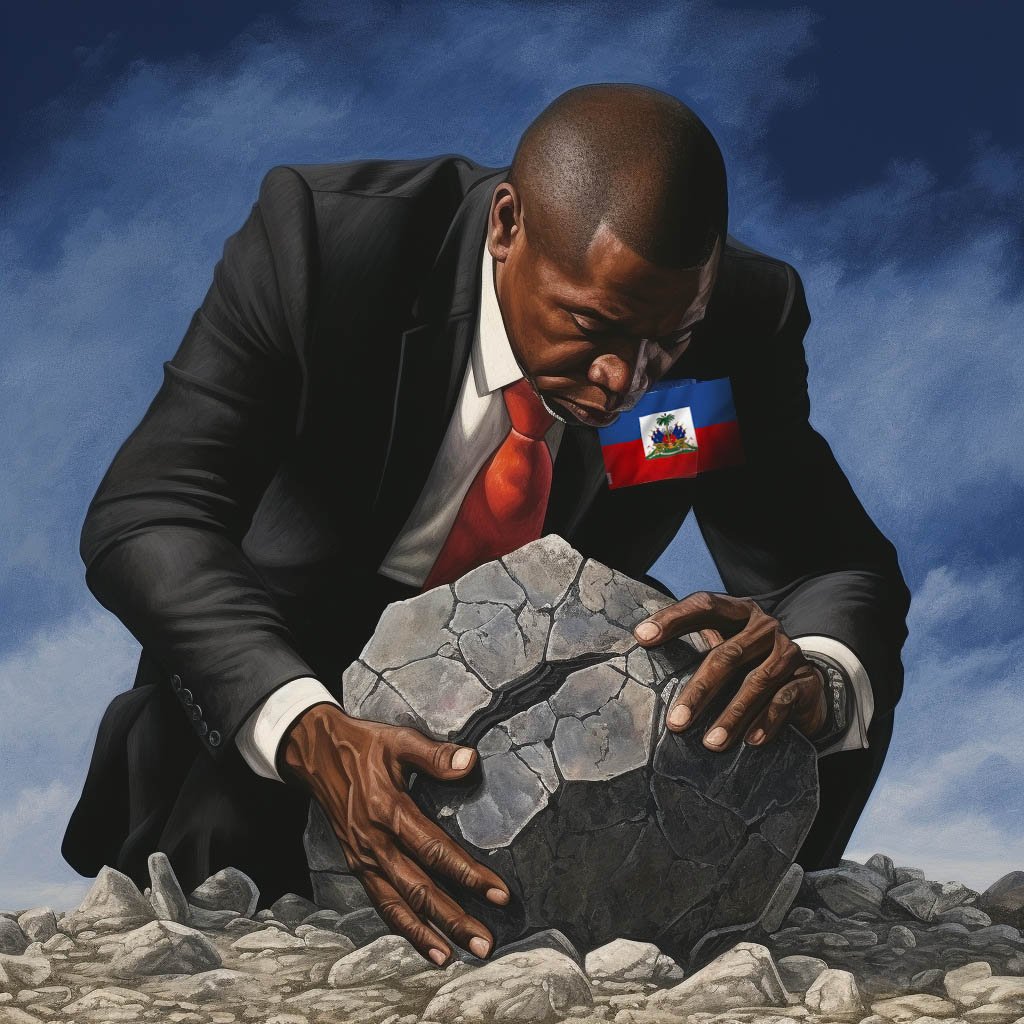
"Like squeezing blood from a stone," Haitian leaders have been trying to move their country forward for decades.
This article does not seek to diagnose the root cause of Haiti’s economic concerns. Rather, it seeks to assert a remedy to address the Haitian Government’s long term dependence on foreign assistance. Outsiders often ask, 'Why can't Haiti's government figure it out?' MINUSTAH and similar missions to build Haiti's self-governing capacity have largely failed in their aim. Why? We assert that while no mission is flawless, both past and future missions, despite their virtues, will face a similar fate if the root cause of dependence is not addressed and solved
The simple reason that Haiti’s government has not achieved independence from foreign assistance is because Haiti can not afford independence. Good governance is not free, to the contrary – it is in fact quite costly for a population to govern itself. Haiti is nowhere near ready to fund good governance.
Latin American and Caribbean nations, on average collected 21.7% of their GDP in taxes in 2021. Haiti, on the other hand collected less than 7.5% of its GDP in tax revenue in recent years (estimated as GDP of $20.25b in 2021 divided by Total Tax Revenue of $1.5b in 2023).
However, this comparison does not tell the complete story. The situation is in fact far more dire. If you consider how high Haiti’s population is in comparison to its GDP, the picture becomes increasingly bleak. Haiti’s population is nearly 11.8 million people. That brings the tax revenue per capita to approximately $128 per Haitian citizen. Dominican Republic GDP was $94.24b in 2021 divided by 14.3% (Tax Revenue/GDP% in 2021) equates to approximately $13.5b in total tax revenue. With a population of approximately 11.1 million, that leaves us with roughly $1216 of tax revenue per Dominican citizen. That’s nearly ten times as much tax revenue per capita for the Dominican government than to its neighboring government in Port au Prince.
We can blame Haitian leaders for Haiti’s dependence on foreign assistance but that would appear to be expecting big results with few resources.
If we are interested in helping Haiti lift itself into independence then we in the international donor community will need to get serious about economic development in Haiti. This will allow the country to afford to govern itself. Without massive economic development in Haiti, we will be right back here ten years from now, wondering why the MSS mission and the others to follow, did not achieve the independence we’d hoped for.
It is imperative for the international donor community to reevaluate and intensify their focus on economic development in Haiti. Only through a concerted effort to boost Haiti's economy can we hope to see it evolve into a self-sufficient nation.
Here are a few of our ideas about economic development in Haiti:


Interactive Policy Simulators & Decision-Support Portal
Explore STIMPACK's interactive decision-support suite built for diplomats, congressional staff, and researchers—combining real-time open-source intelligence with quantitative security, territorial, and coalition stability simulators:
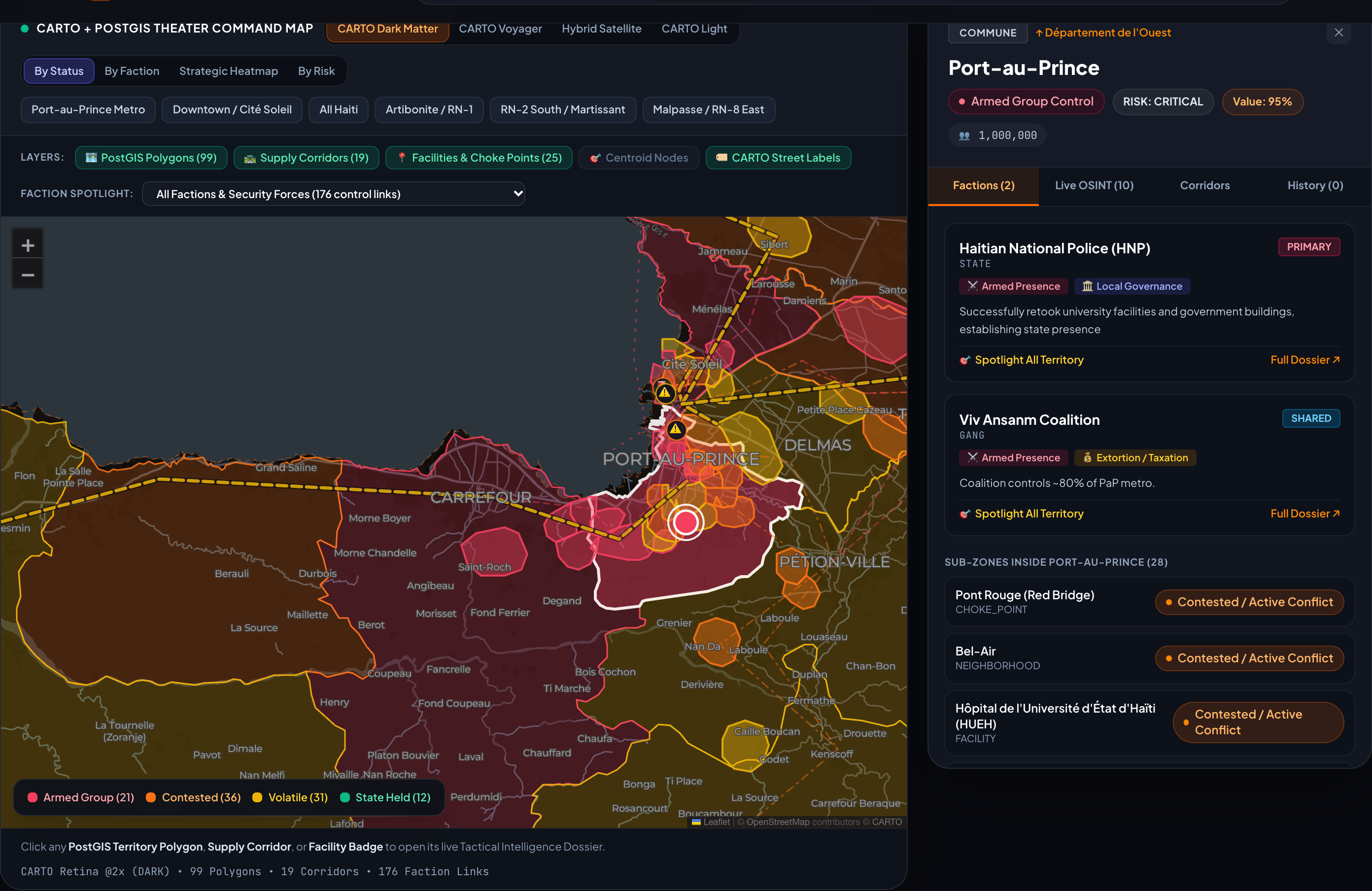
Interactive geospatial control across 100 neighborhoods & highway choke-points (`/monitor/map`).
Force posture & fiscal recovery models (`/security-simulator`, `/tool`, `/tool2`).
Policy Explorer, Coalition Stability Calculator & Force-Directed Network (`/instruments`, `/coalitions`, `/power-map`).
109-page peer-reviewed Haiti Working Group framework & statutory annexes (`reports.stimpack.org`).
All dispatches, actor dossiers, and quantitative models are autonomously generated by STIMPACK AI systems from open-source reporting.
Subscribe to Automated AI Dispatches
Receive automated open-source intelligence digests and Working Group report releases directly in your inbox.
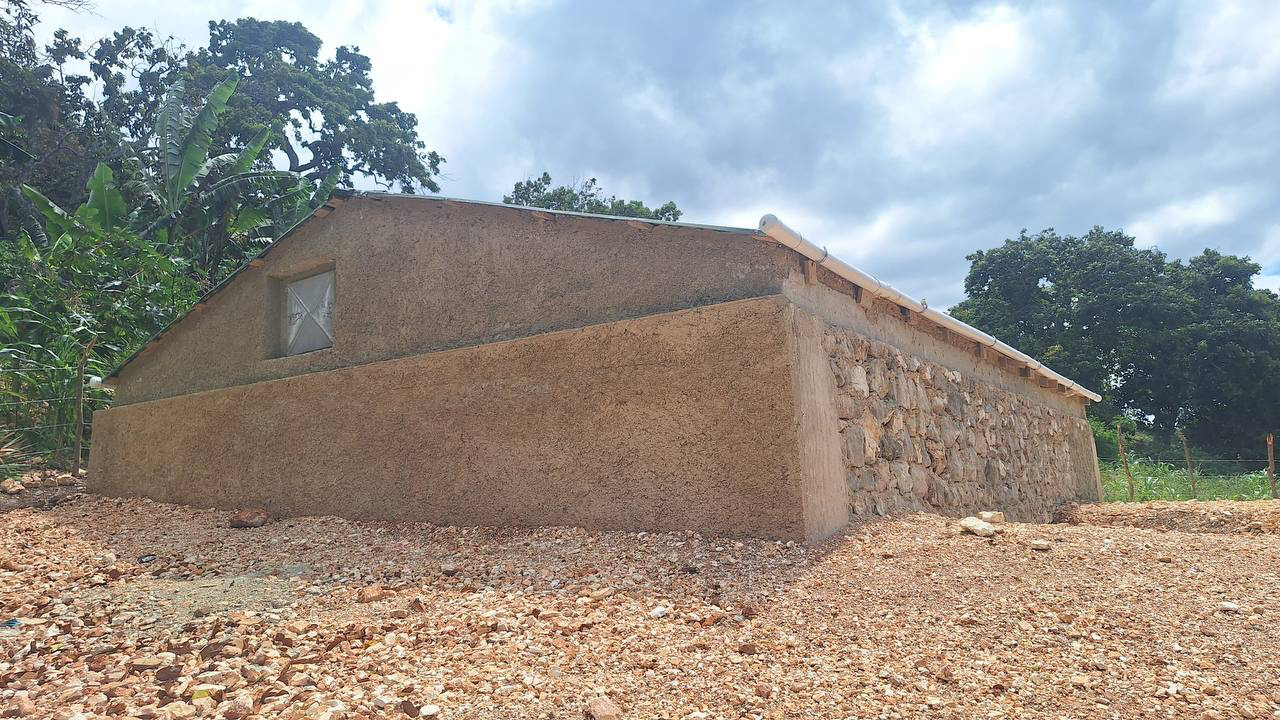
See How Direct, Milestone-Verified Local Infrastructure Works on the Ground in Boucan Ferdinand
Our policy papers argue that local recovery funds should bypass discretionary political pools in the capital and flow directly against verified physical milestones. In the border village of Boucan Ferdinand, 250 core residents (~50 households, 1,200+ regional corridor reach) cut the mountain access road by hand, planted 70,000 nursery trees, and built a reinforced 356,600-gallon stone-and-concrete rainwater reservoir.