

Haiti is where narratives go to die.Let’s find truth, not tropes.
Select your portal below—whether you are researching Washington & diplomatic policy, funding direct clean-water engineering in rural Haiti, or binging our true-crime & hostage-survival podcast.

Haiti Working Group, Live Monitor & Policy Dispatches
Daily AI-synthesized situation briefs, 99+ actor dossiers, policy dispatches on Haiti's security and fiscal architecture, the 109-page Working Group consensus framework, and our gated 100-Zone CARTO Command Map.
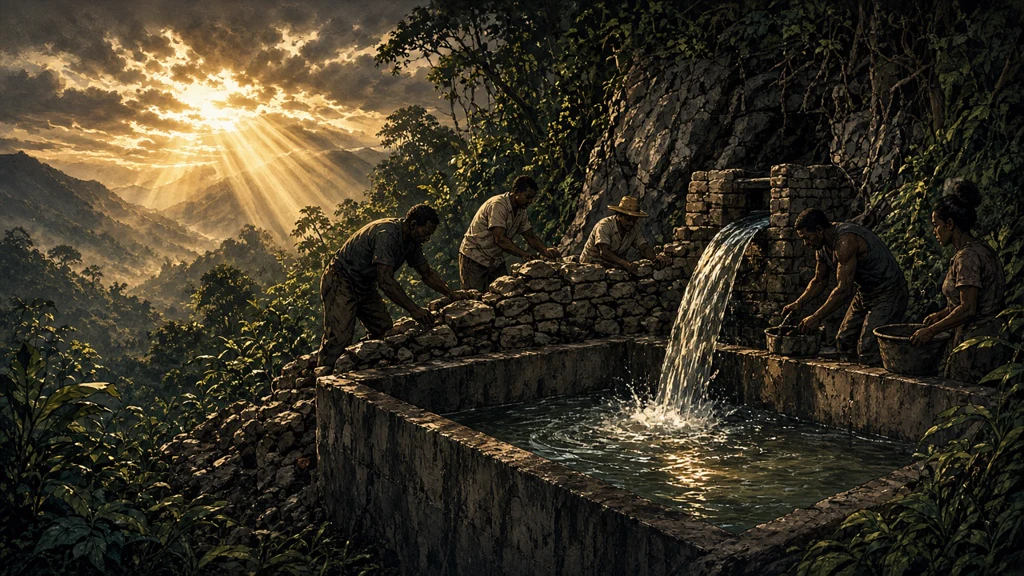
Clean Water for 250 Villagers in Boucan Ferdinand
The village cut the mountain road by hand. Help fund our 6-cistern stone rainwater network (46,200–79,300 gallons each, 356,600 gallons total) to give 250 villagers permanent clean water.
43 Days to Freedom: Kidnapped in Haiti
Held hostage for 43 days by a violent Haitian gang—beaten, tortured, escaped, recaptured, and ransomed. Stream the raw, first-hand survival podcast recorded by Jeff and Mary Frazier.
Haiti's Recovery: Put the Money Where the Work Is
Fund local recovery directly. Pay verified police salaries into officers' accounts. Shorten the payment chain, verify delivery independently, and let the public track what was promised, paid, and delivered.
How Can Haiti Pay for the State It Needs?
Better tax collection is essential, but the economy must grow. Four practical proposals connect customs reform, closing illicit bypass routes, reliable mini-grid power, and war-risk guarantees for business recovery.
Recent Columns on Haiti
Practical analysis and ground-level reporting on Haiti's economy, public safety, politics, and daily life.
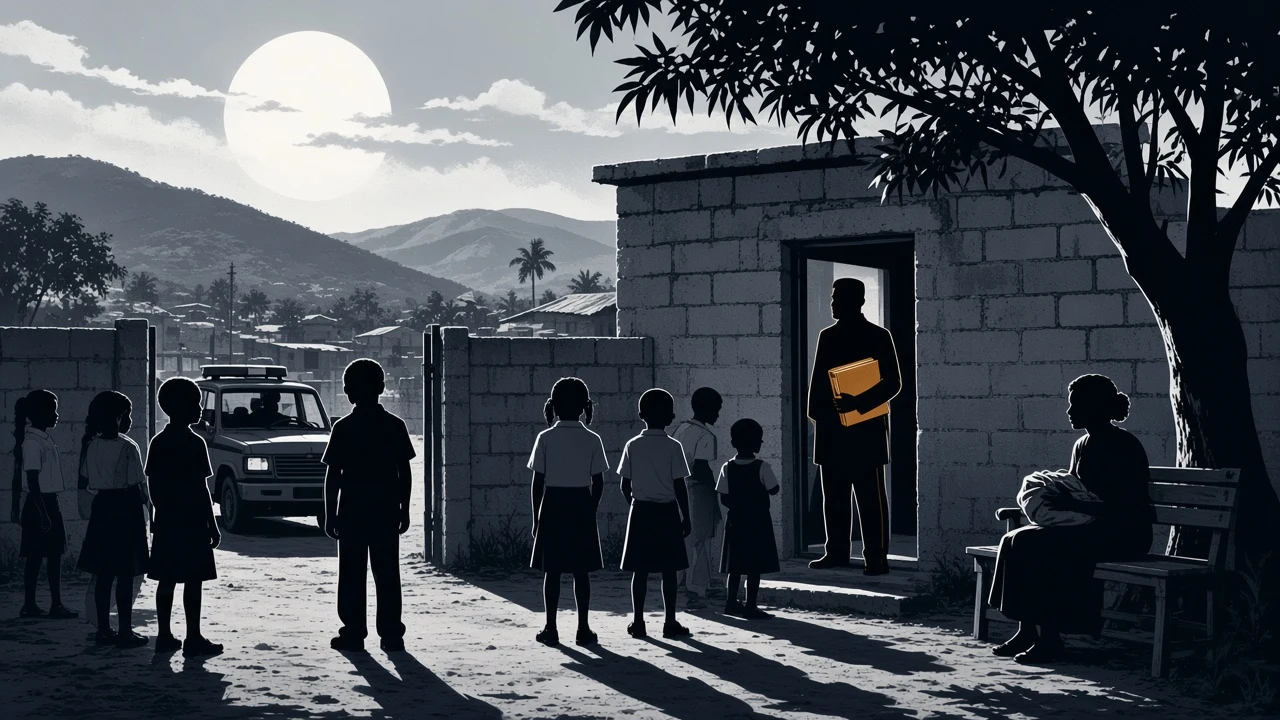
Haiti's Displaced Kids Went to Cousins, Not Camps. Their New Schools Are Paying for It.
Over 90% of displaced Haitians live with host families, and 93% of surveyed schools took in a displaced child. A $17 million aid package could help cover the cost.
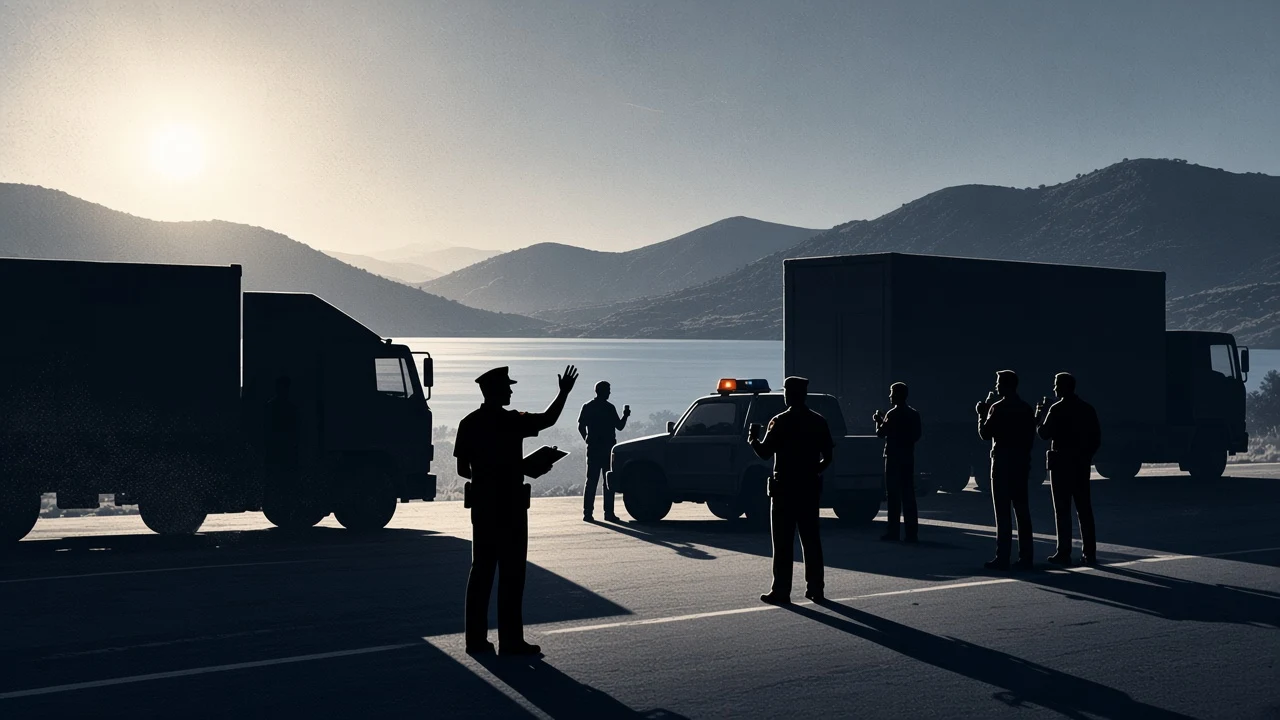
A Key Haiti-Dominican Trade Road Is Reopening. Here's How to Keep Trucks Rolling.
In 2025, $648 million in Dominican goods crossed into Haiti at Malpasse and Belladère. Fixed daily convoys can keep the Malpasse highway open as police clear it.
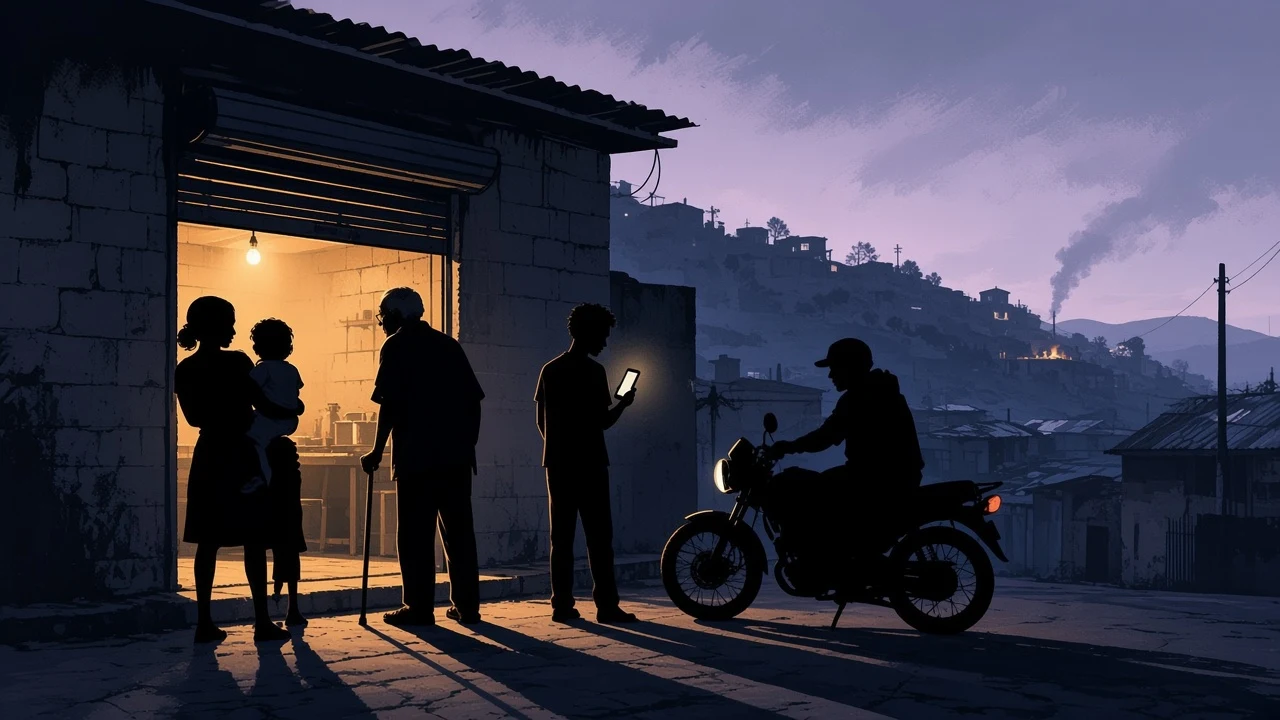
Cheaper Money Transfers Could Save Haitians More Than Gangs Take in Tolls
Haitians lose about $41 million a year for every point of fees on money sent from the US. Cutting fees to 3% would return more than gang tolls take.
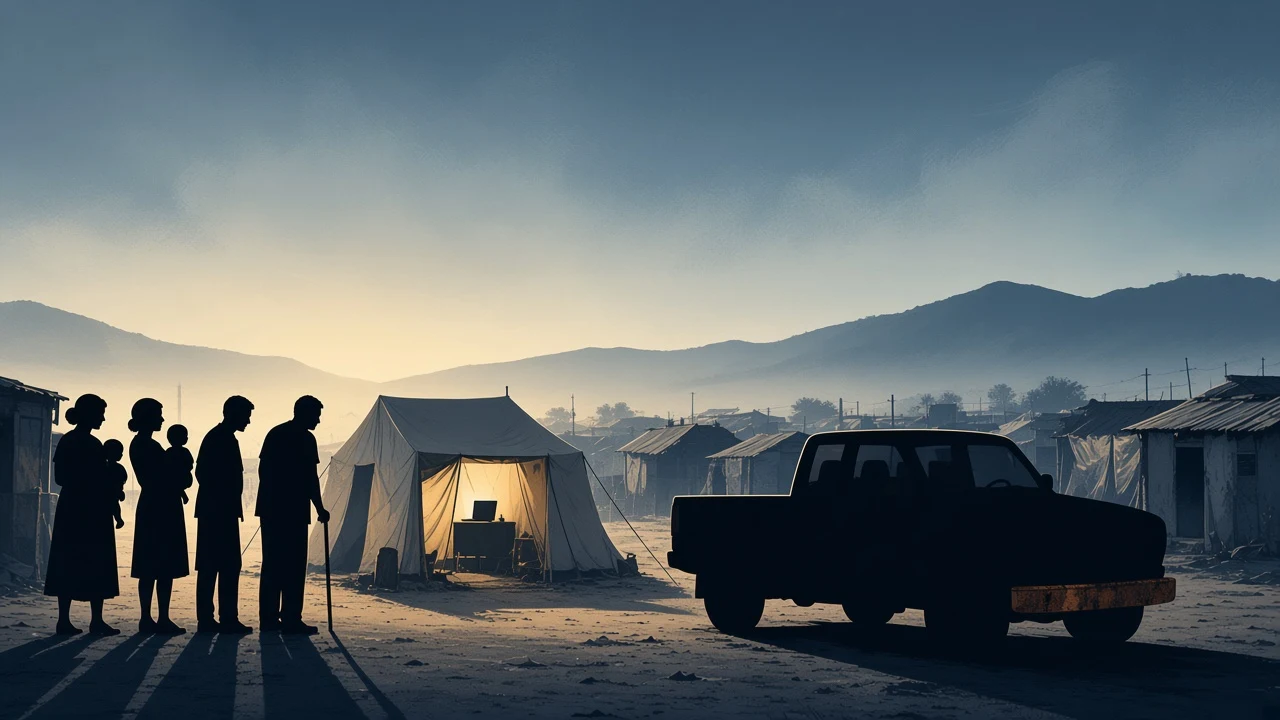
Haiti's Election Depends More on ID Cards Than on Gang Territory
Only about 16% of Haitians with a national ID card have registered to vote. Getting cards to 746,000 people still waiting for one could help the July 2027 vote hold.
Haiti Working Group & Gated Decision-Support Portal
A bipartisan coalition of former U.S. and UN officials, Haitian civil society leaders, and systems analysts producing actionable policy frameworks—paired with STIMPACK's live open-source intelligence wire and gated geospatial & force-posture simulators.
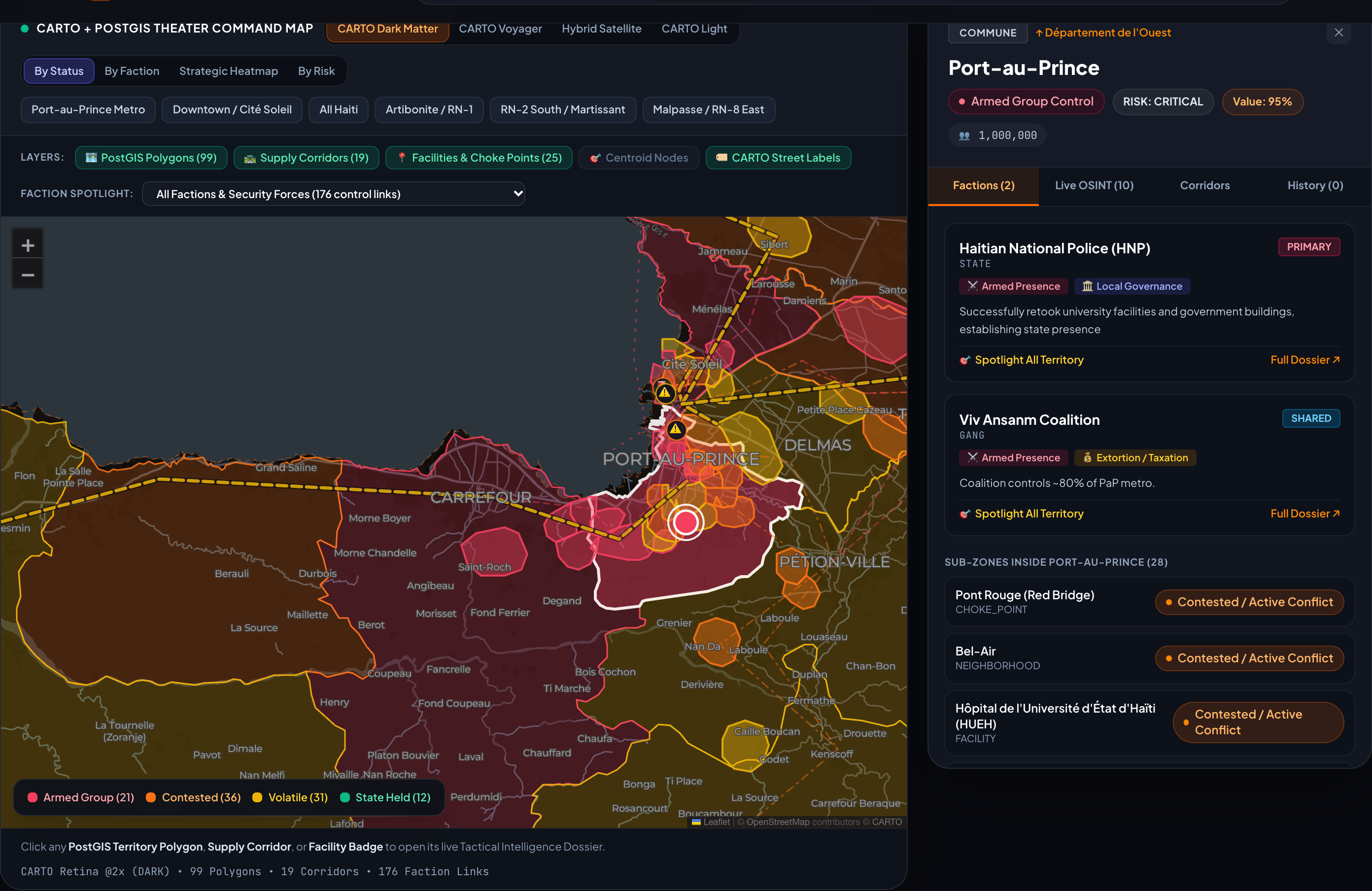
Field Documentary & 6-Stage Engineering Proof: Make It Rain in Boucan Ferdinand
When exploratory drilling hit dry rock at 270 ft (with the water table 1,500 ft below), 250 core villagers (~50 households) engineered a permanent rainwater harvesting system from the mountain up.
Villagers cleared rock and grade with pickaxes to open heavy material access
Watershed stabilization, fruit tree nurseries, and soil retention along the ridge
Hand-dug pit, steel rebar columns, 12-ft stone walls & waterproof plaster
Starter stone cistern roofed & guttered—1 of 6 cisterns (356,600 gal total)

43 Days to Freedom: Kidnapped in Haiti
I was kidnapped in Haiti on a humanitarian food mission, then held hostage for 43 days—beaten, terrorized, tortured, escaped for 8 hours, and recaptured by a neighboring gang before finally surviving. Recorded raw by my wife Mary and me from our journals, this is what ruthless gangs do to innocent Haitians every day.
Season 2: 43 Days to Freedom
Prologue Video & Full Series
The StimPack Podcast Season 3 →
Watch & Listen on All Platforms
Captivated by the podcast? Explore our AI-generated intelligence dossiers on the actual Haitian gangs and political brokers behind the kidnapping economy, read our Working Group policy dispatches, or help us build clean water in rural Haiti.