
A Mission Shaped by Haiti’s Reality
When ground reality changes, strategy must adapt. Here is why StimPack evolved from anti-trafficking to economic policy, security support, and negotiation science.
The Evolution of Our Work
STIMPACK began with a focused humanitarian mandate in Haiti: protecting vulnerable children from trafficking and exploitation. Working alongside local communities quickly revealed that child exploitation cannot be solved in isolation from the structural conditions—acute rural poverty, infrastructure collapse, and armed territorial control—that strip families of safety and livelihood.
Confronting those root causes required expanding our operational model across three mutually reinforcing pillars. First, in rural communities such as Boucan Ferdinand, we partner directly with local leaders to build durable civil infrastructure—commercial-grade rainwater harvesting reservoirs and hand-cleared mountain transport corridors—that anchors household resilience at the source. Second, through investigative media and 43 Days to Freedom, we document the lived realities of gang captivity and civilian perseverance to keep Haiti’s human stakes visible.
Third, through the Haiti Working Group and the Haiti Monitor, we pair field testimony with quantitative systems modeling and Washington policy architecture—advocating for accountable security assistance, direct fiscal delivery, and institutional sovereignty so Haitians can lift their country into lasting prosperity.
Decision Support
Auditable peace calculation models, coalition stability analytics, and structured negotiation sequencing for international and local actors.
Primary Field Research
Truth over tropes. First-hand documentation of gang economies, territorial control, and civilian resilience to puncture conventional narratives.
Direct Interventions
Tangible civil infrastructure: rain harvesting cisterns and hand-cleared roads in vulnerable border communities like Boucan Ferdinand.
Interactive Policy Simulators & Decision-Support Portal
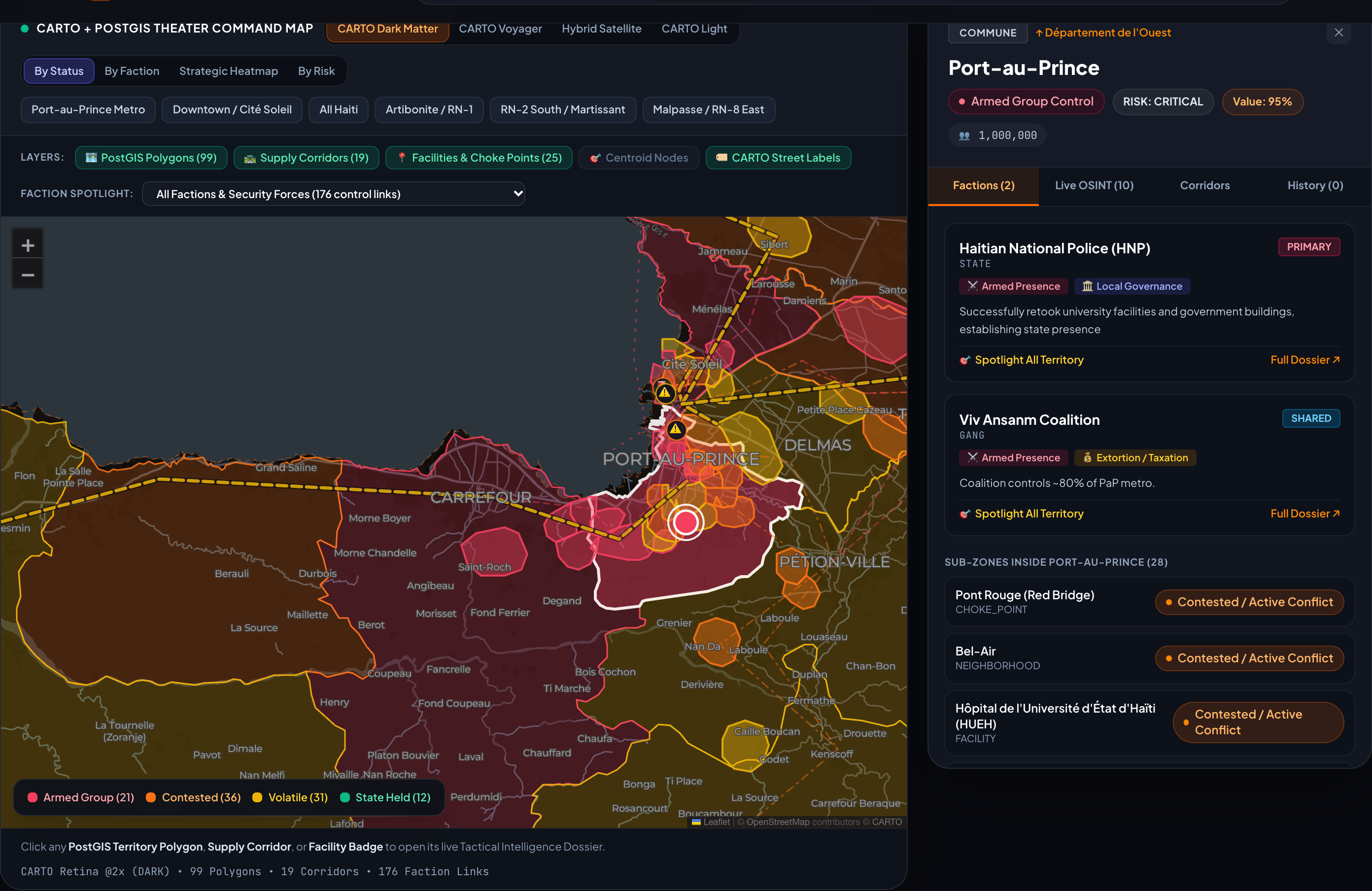
Explore STIMPACK's interactive decision-support suite built for diplomats, congressional staff, and researchers—combining real-time open-source intelligence with quantitative security, territorial, and coalition stability simulators:
Interactive geospatial control across 100 neighborhoods & highway choke-points (`/monitor/map`).
Force posture & fiscal recovery models (`/security-simulator`, `/tool`, `/tool2`).
Policy Explorer, Coalition Stability Calculator & Force-Directed Network (`/instruments`, `/coalitions`, `/power-map`).
109-page peer-reviewed Haiti Working Group framework & statutory annexes (`reports.stimpack.org`).
All dispatches, actor dossiers, and quantitative models are autonomously generated by STIMPACK AI systems from open-source reporting.
Subscribe to Automated AI Dispatches
Receive automated open-source intelligence digests and Working Group report releases directly in your inbox.
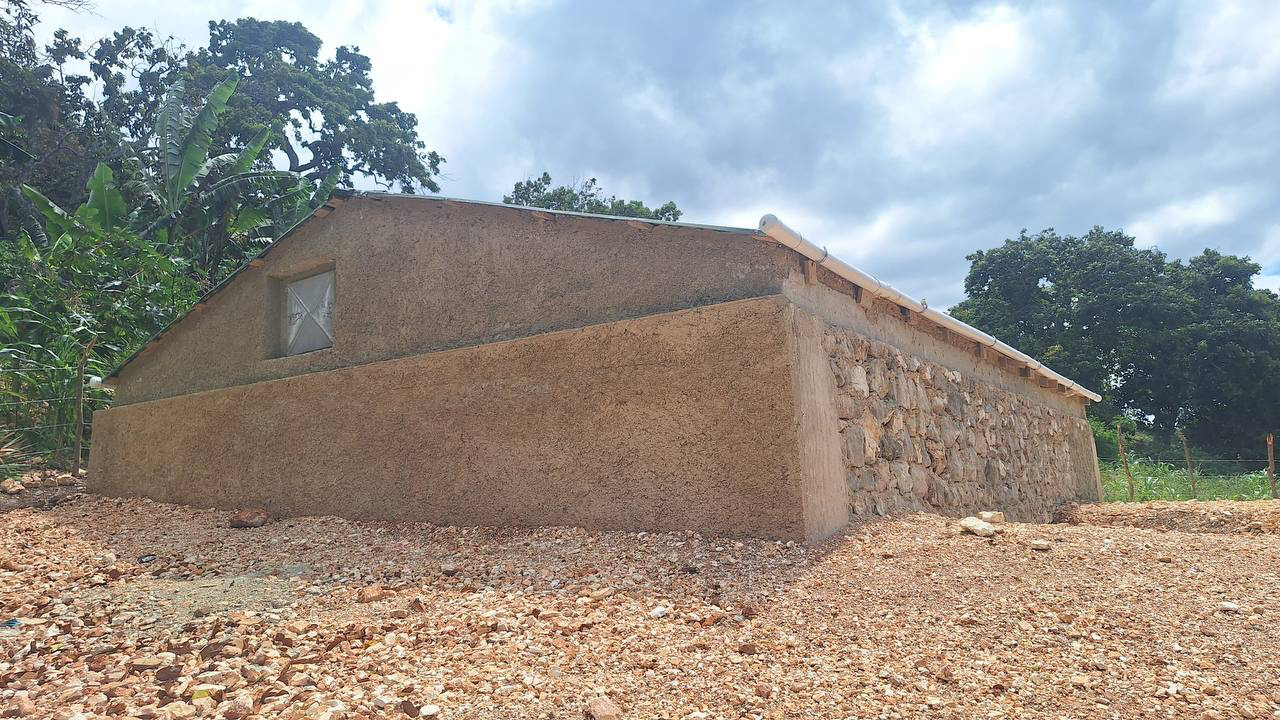
See How Direct, Milestone-Verified Local Infrastructure Works on the Ground in Boucan Ferdinand
Our policy papers argue that local recovery funds should bypass discretionary political pools in the capital and flow directly against verified physical milestones. In the border village of Boucan Ferdinand, 250 core residents (~50 households, 1,200+ regional corridor reach) cut the mountain access road by hand, planted 70,000 nursery trees, and built a reinforced 356,600-gallon stone-and-concrete rainwater reservoir.